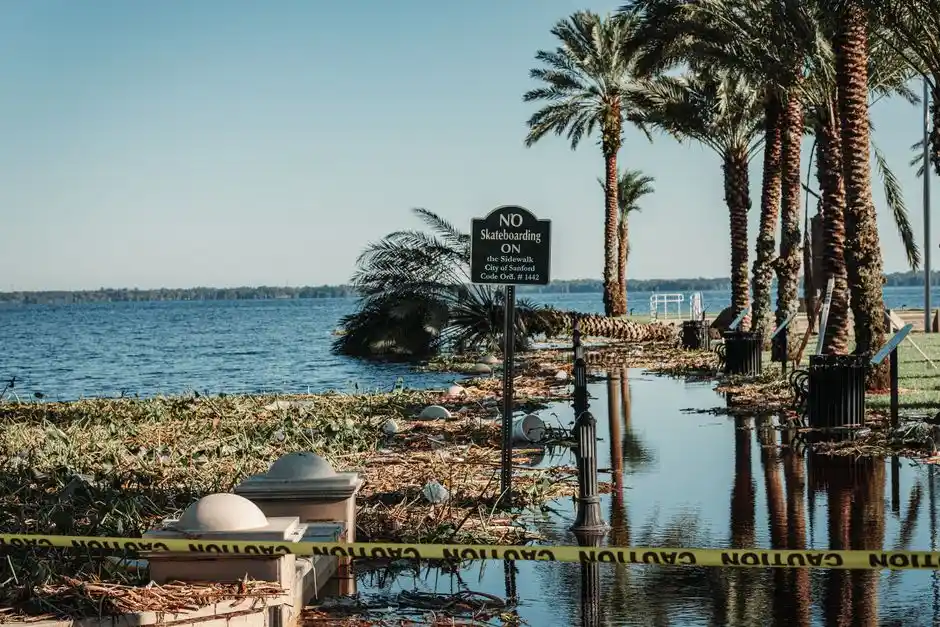
Fast extraction, structural drying, and mold prevention across Albany County
Water damage mitigation Albany NY done right the first time
When a pipe bursts or your basement takes on water, water damage mitigation Albany NY stops the spread before it becomes a rebuild. We extract standing water, dry the structure, and document everything for your claim. Our crews work 24/7 across Albany County, from Pine Hills to Arbor Hill, and we handle everything from a toilet overflow to a flooded basement.
Live phone supportUpfront optionsBacked workmanship
What's included
What's included in water damage mitigation Albany NY
Every mitigation job we run covers the same core scope: stop the water, extract what's standing, dry the structure, and prove it's dry. Here's what that looks like in practice.
Emergency water source control
We shut off the water source or isolate the leak before anything else. That means finding the supply valve, stopping the flow, and confirming nothing else is actively leaking while we set up.
Moisture inspection and mapping
A moisture meter, thermal imaging camera, and inspection camera map every wet zone - including water hiding behind baseboards, under flooring, and inside ceiling cavities. We photograph and record baseline readings.
Water extraction
Standing water comes out with water extraction units and wet/dry vacuums. We follow with absorbent pads and squeegees to pull the last of it out of carpet and hard flooring before drying starts.
Structural drying setup
Air movers and dehumidifiers are positioned based on the moisture map. We use desiccant units in cooler Albany basements where refrigerant dehumidifiers lose efficiency. Daily readings track progress.
Antimicrobial application
Wet framing, drywall edges, and subfloor get treated with antimicrobial solution to stop mold growth after water damage before it starts. This is standard on every mitigation job we run.
Insurance documentation
Photos, moisture readings, and a line-item scope built in Xactimate get sent to your carrier. That documentation is what gets your claim approved without a re-inspection.
Service overview
What water damage mitigation Albany NY actually involves
Water damage mitigation Albany NY is the emergency phase of water damage work that stops ongoing water intrusion, extracts standing water, and dries building materials before mold and rot take hold. We map moisture with a moisture meter and thermal imaging camera, pull water with a water extraction unit, then position air movers and dehumidifiers to dry the structure to IICRC S500 standards. Mitigation protects the building; restoration rebuilds whatever couldn't be saved.
Albany homes deal with burst pipes, supply line leaks, sump pump failures, and basement flooding every winter. The city's older housing stock - brick rowhouses in Center Square, plaster walls in Washington Park, finished basements in Pine Hills - holds water in ways newer construction doesn't. If you're searching for water damage control near me Albany, the clock matters: mold can start growing in 24 to 48 hours. We respond same-day across the 12202, 12206, and 12208 ZIP codes.
How we workWe verify the cause, compare realistic options, and confirm the repair before we leave.
The service timeline
How our water damage mitigation process works
The process flexes to the condition, but these checkpoints keep decisions clear.
Emergency call and dispatch
You call (833) 321-7054, we ask what happened and where the water is coming from, and we dispatch the nearest crew. In most of Albany County we're on-site within 60 to 90 minutes. First thing we do is shut off the water source or isolate the leak so nothing else floods while we work.
Inspection and moisture mapping
We walk the space with a moisture meter, thermal imaging camera, and inspection camera to find water you can't see - behind baseboards, under flooring, inside ceiling cavities. We mark wet zones, photograph everything, and record baseline readings so we can prove the drying worked.
Water extraction
Standing water comes out first. We run water extraction units and wet/dry vacuums across carpet, hardwood, and concrete, then use absorbent pads and squeegees on the last of it. A typical residential extraction takes two to four hours depending on volume and how far the water spread.
Structural drying
We set air movers and dehumidifiers to pull moisture out of walls, floors, and framing. Desiccant dehumidifiers handle cooler Albany basements where refrigerant units lose efficiency. We check readings daily with a hygrometer and psychrometer and adjust equipment until the structure hits dry standard.
Final verification and handoff
When readings match a dry, unaffected area of your home, we pull the equipment and give you a written drying report with before-and-after numbers. If reconstruction is needed, we hand off the scope to our restoration team or yours - your call.
Tools & methods
Tools and methods we use on every job
Purpose-built equipment, used by trained technicians, so the job is done accurately the first time.
Moisture meter and thermal imaging camera
Find water you can't see behind walls, under floors, and inside ceiling cavities. These two tools drive the moisture map that every drying decision is based on.
Hygrometer and psychrometer
Measure relative humidity and dew point so we know whether the structure is actually drying. Readings are logged daily and compared against a dry reference area.
Dri-Eaz and Phoenix Restoration Equipment air movers
Move air across wet surfaces to speed evaporation. We position them based on the moisture map, not by guessing where they'll fit.
Desiccant and refrigerant dehumidifiers
Pull moisture out of the air. Desiccant units handle cooler Albany basements where refrigerant dehumidifiers lose efficiency below 65 degrees.
Water extraction units and wet/dry vacuums
Pull standing water out of carpet, hardwood, and concrete. Truck-mounted units handle large volumes; portables get into tight spaces like closets and cabinets.
HEPA vacuum and inspection camera
HEPA vacuums capture fine debris and mold spores during cleanup. The inspection camera lets us see inside wall cavities without cutting open more drywall than necessary.
Antimicrobial solution and polyethylene sheeting
Antimicrobial solution stops mold growth after water damage. Polyethylene sheeting contains work areas so dust and spores don't spread to clean parts of the home.
Use cases
When to call for water damage mitigation
These examples show how the service framework adapts rather than forcing every call through one repair.
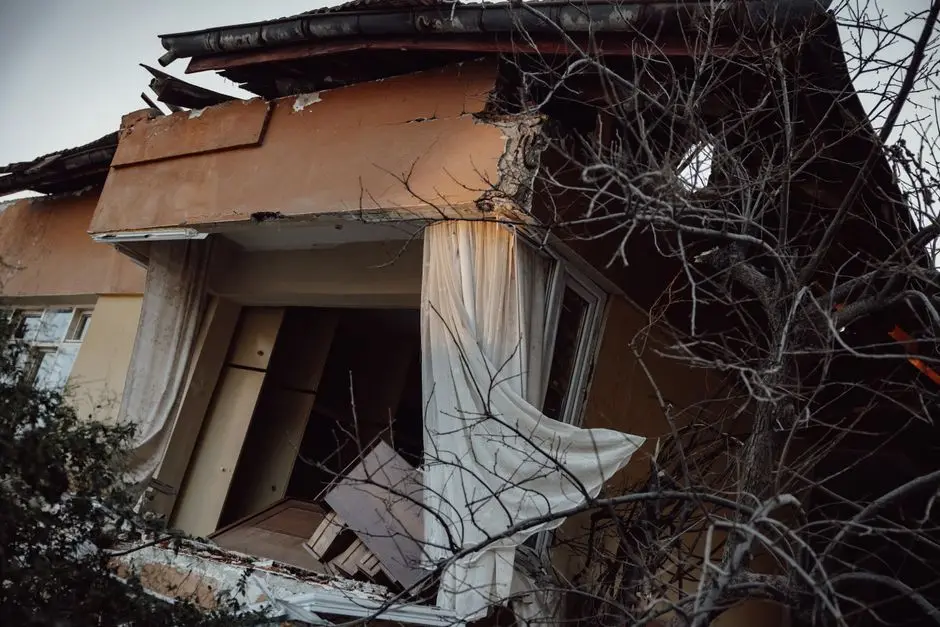
Sump pump failure in a Buckingham Pond basement
A storm knocked out power for six hours, and the sump pump never came back on. The finished basement took on about two inches of water across 600 square feet of carpet, plus the bottom two feet of drywall. → We extracted the water, removed the soaked carpet and pad, and cut the drywall two feet up to open the wall cavity. Desiccant dehumidifiers ran for five days. Final readings were dry, and the homeowner rebuilt with new carpet and drywall.
Toilet overflow in a University Heights rental
A tenant's toilet overflowed overnight and ran into the hallway. The bathroom floor, hallway carpet, and the bottom of the hallway drywall were all wet. The landlord called us the next morning. → We extracted the water, removed the wet carpet, disinfected the subfloor with antimicrobial solution, and dried the hallway and bathroom over two days. The unit was back in service in under a week with full documentation for the claim.
Problems we solve
Water damage problems we solve in Albany
Most of the calls we get in Albany fall into a handful of categories. Here's what we see and how we handle it.
Burst pipe or supply line leak behind a wall
We find the leak with an inspection camera, shut off the source, and dry the wall cavity with air movers and a dehumidifier. If the drywall is saturated past saving, we remove it, dry the framing, and document the loss for your claim.
Sump pump failure during a storm
We extract the standing water, pull wet carpet and pad, and set high-capacity dehumidifiers to bring humidity down. Most basement flood cleanup jobs in Albany dry in four to five days with daily moisture checks.
Toilet overflow or sewage backup
We contain the area with polyethylene sheeting, extract the water, remove unsalvageable materials, and disinfect with antimicrobial solution under OSHA 10 protocols. Drying follows once the space is clean.
Roof leak or ice dam dripping into ceilings
We trace the leak with a moisture meter and thermal imaging camera, dry the ceiling cavity, and treat the framing with antimicrobial solution. We document the source for your roofer or insurance adjuster.
Pricing process
What water damage mitigation costs in Albany
$1,200 - $4,500 for most residential jobs; $5,000+ for large or Category 3 losses
Square footage affected
The bigger the wet area, the more equipment and the more days of drying. A single bathroom is a very different job than a full basement.
Water category
Category 1 (clean water) is the cheapest to mitigate. Category 2 (gray water) needs antimicrobial treatment. Category 3 (sewage or outside flooding) requires containment, PPE, and full disinfection.
How long the water sat
Water that's been sitting for 48 hours or more has already started affecting materials. Longer sit time usually means more demolition and more drying days.
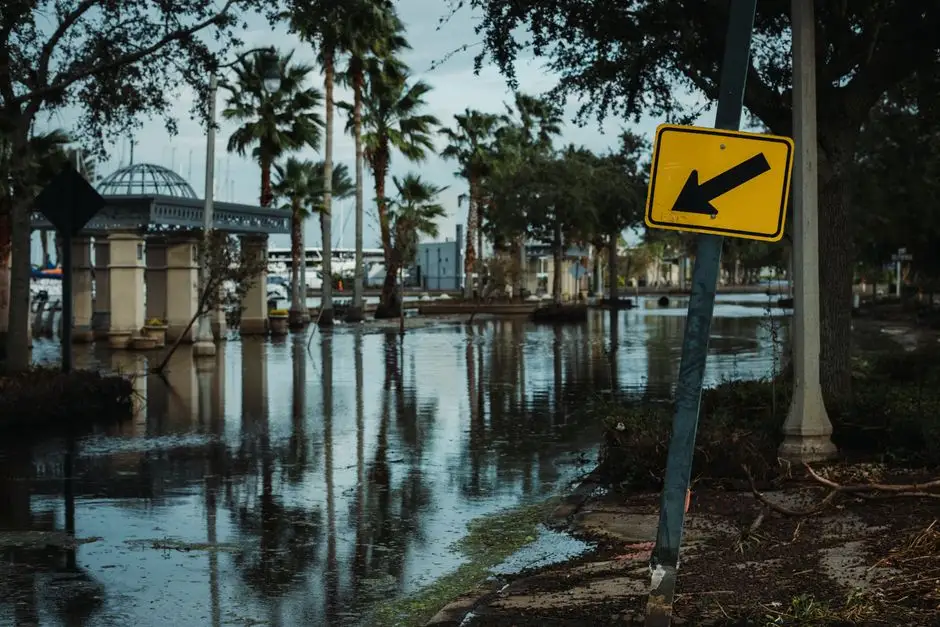
How much does water damage mitigation cost in Albany NY?
Most residential mitigation jobs in Albany run $1,200 to $4,500. A small toilet overflow cleanup might land near $800 to $1,200, while a full basement flood cleanup with 1,000+ square feet of wet flooring and drywall can reach $5,000 or more. Category 3 water - sewage backup or outside flooding - costs more because of the containment and disinfection work required. We quote the scope before we start.
How long does water damage mitigation take in Albany?
Extraction usually takes two to four hours. Structural drying runs three to five days for most Albany homes, and older plaster-and-lath construction in neighborhoods like Center Square can push that to five or six days. We check moisture readings daily and pull equipment as soon as the structure hits dry standard - we don't leave dehumidifiers running just to bill more days.
Does insurance cover water damage mitigation in Albany New York?
Yes, in most cases. Sudden and accidental discharge - burst pipes, supply line leaks, appliance failures, toilet overflows - is typically covered under standard homeowners policies. Flooding from outside the home usually requires separate flood insurance. We document everything in Xactimate and work directly with your adjuster so the claim moves without delays.
What is the difference between mitigation and restoration in Albany NY?
Mitigation stops the damage: extract water, dry the structure, prevent mold. Restoration rebuilds what couldn't be saved: new drywall, flooring, paint, trim. Mitigation comes first and is usually the urgent part. Restoration follows once the structure is dry and verified. Many Albany jobs need only mitigation - if we can dry materials in place, you skip the rebuild entirely.
Related services
Related Services
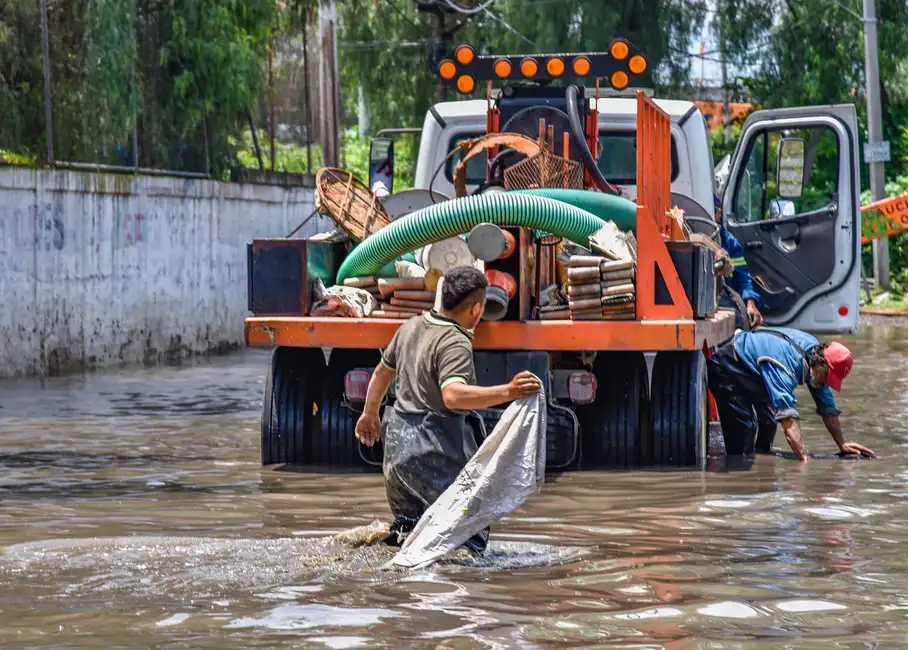
flood restoration services
When storm water or a sump pump failure pushes water into your Albany home, flood restoration services handle the full scope - extraction, drying, sanitizing, and rebuilding. We start with mitigation to stop the damage, then restore what's left.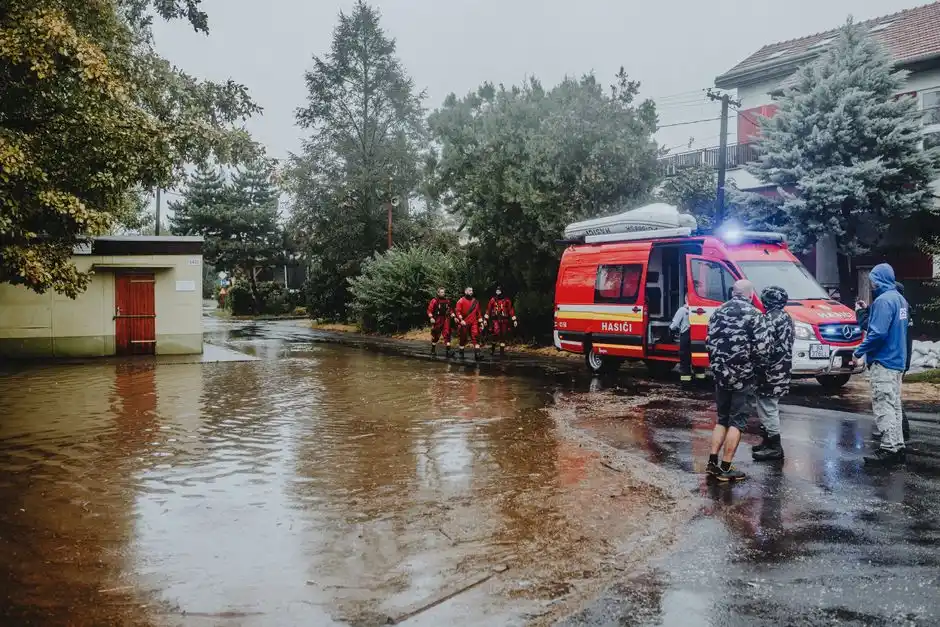
emergency water removal
Emergency water removal is the first step of mitigation. We pull standing water with truck-mounted and portable extraction units, typically within 60 to 90 minutes of your call anywhere in Albany County.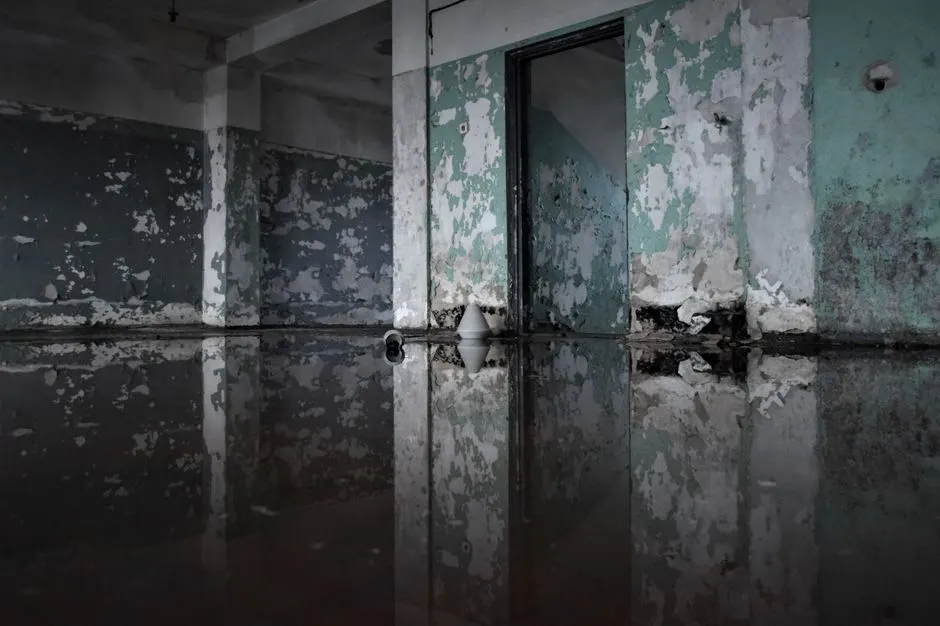
mold remediation after water damage
If water sat too long before you called, mold growth after water damage can start in 24 to 48 hours. We handle containment, HEPA vacuuming, and antimicrobial treatment under our New York State Mold Remediation License.Ready when you are
Call now for water damage mitigation Albany NY
Water spreads fast and mold follows within 24 to 48 hours. Our crews are on call 24/7 across Albany County with extraction units and drying equipment ready to roll. Call (833) 321-7054 and we'll be on-site in 60 to 90 minutes.
Talk with the local team
Request water damage mitigation
Reach us any time, day or night. Our dispatchers answer live 24/7 and can have a crew at your door in 60 to 90 minutes anywhere in Albany. If you are not sure whether you need emergency service, call anyway and we will tell you straight.